
Spotlight on Nature-based Enterprise: Irish Trees
Many of Ireland's most significant heritage landscapes face a common challenge. Landowners often possess woodlands, wetlands, rivers and habitats with enormous ecological potential, yet long-term restoration requires resources, expertise and sustained funding. Irish Trees was founded to help address that challenge by creating practical ways for businesses, communities and landowners to participate in nature recovery, while keeping the land in its existing stewardship.
Irish Trees has developed a Heritage Estate Nature Recovery Model, proven at Dunsany Estate in County Meath, that helps heritage landowners restore nature without selling land, while providing businesses, communities and investors with measurable biodiversity outcomes. What began in 2014 as a local restoration initiative has, over a decade, become one of Ireland's most significant private rewilding projects, with 750 acres now under restoration and a wider ambition to support biodiversity recovery across additional heritage estates and landscapes.
The business operates at the intersection of ecology, land stewardship, corporate sustainability and community engagement. Revenue is generated through corporate nature recovery partnerships, biodiversity restoration projects, employee engagement programmes, citizen science initiatives and educational experiences. These activities help fund woodland expansion, habitat restoration, biodiversity monitoring, ecological research and the long-term stewardship of landscapes. The model is designed to create value for multiple stakeholders simultaneously: landowners gain support for restoration activities, businesses gain access to measurable environmental initiatives, and nature benefits from sustained long-term investment.
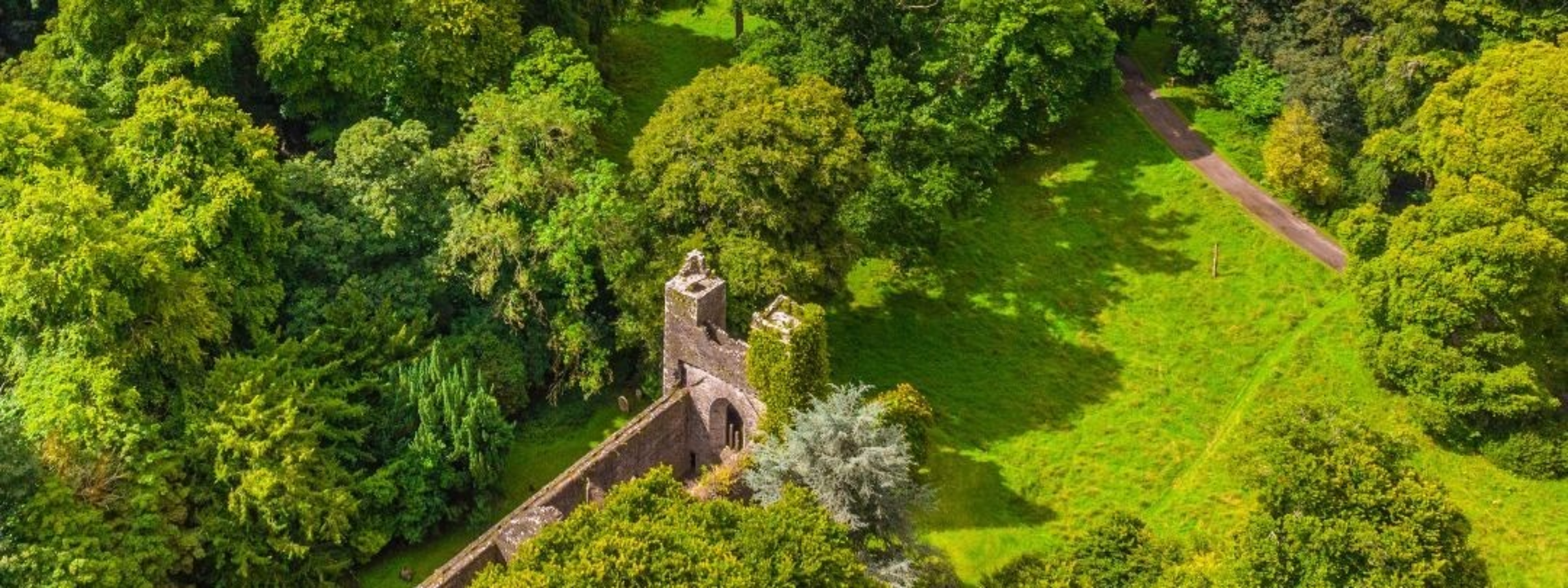
The Dunsany proving ground tells the story. Over the past decade, the estate has become an important demonstration site for landscape-scale restoration in Ireland, with woodland, grassland, wetland and freshwater habitats supporting increasing biodiversity. To date, 47 habitat types have been recorded across the estate, and surveys have identified 8 of Ireland's 9 bat species. More than 50 organisations have engaged with Irish Trees through corporate partnerships, nature recovery initiatives and employee engagement programmes — alongside schools, local communities and citizen science volunteers.
Nature recovery requires patience. Ecological outcomes often emerge over years or decades rather than months, creating challenges in securing long-term funding, measuring impact and maintaining momentum. But as biodiversity and natural capital markets continue to evolve, Irish Trees sees heritage estates as a significant and largely untapped opportunity. The long-term ambition is not simply to restore more land; it is to create a network of heritage estates delivering measurable biodiversity outcomes, attracting investment, and protecting both natural and built heritage for generations.