
Recording: Voices from the Field - Regenerative Agriculture
On Wednesday 8th of November, we were joined by three farmers from across Europe who are currently transitioning to regenerative agriculture. Our webinar host was Philippe Birker of Climate Farmers who also announced the launch of a new European Alliance for Regenerative Agriculture. You can find the full recording at the bottom of this article or over on our YouTube channel.
We had an incredibly interesting, inspiring and honest conversation followed by an engaging Q&A session with questions from people curious about starting on their regenerative agriculture journey as well as from more experienced farmers. As often happens on our webinars, it was encouraging and rewarding to see the energy and passion coming across from both speakers and attendees.
One gentleman who had studied organic farming between 1993 and 1996 recalled trying to convince people to grow topsoil and such efforts falling on deaf ears.
“Absolutely loving this conversation. Some of the comments early on about 80's & 90's having these ideas and the incredibly slow adoption rate really touched my heart, because I was there studying Organic Agriculture between '93 & '96, trying to convince people that we can grow topsoil…
Obviously no-one listened back then, but it's now common knowledge and considered mind-blowingly obvious. I've been hidden in IT for many years and recently started breaking back into the land & food production space. It's early days, but I'm very excited that there is now so much movement in this direction... finally…” (David L.)
We were privileged to have 3 farmers from across Europe speak to us about their different experiences which varied greatly in their type of farming as much as their geographical locations and farm sizes. One common thread was the shared challenge and frustration they faced with outdated legislation, administrators and scientists blocking their paths on the journey to regenerative agriculture.
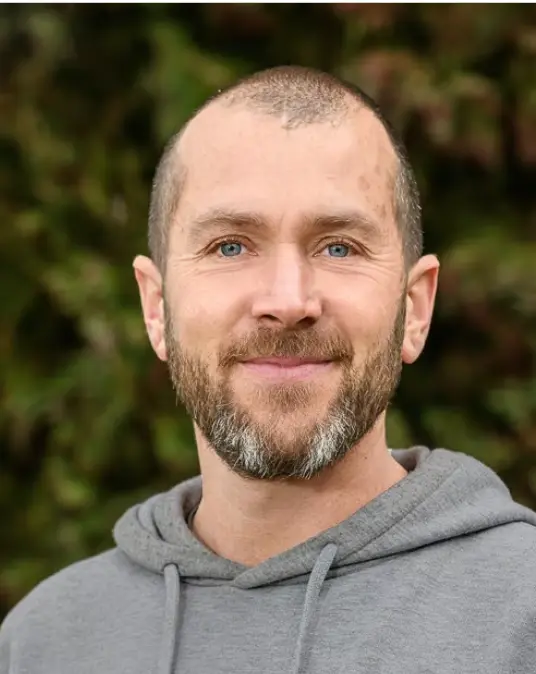 Howard Koster of De Biesterhof in the Netherlands came into farming in 2017 following a career in hotel management and the Dutch army. Today he runs a 25 h/a nature-inclusive community farm and can also be found poking around the soil biology department of Wageningen University.
It was particularly interesting to hear about the citizen led cooperative that Howard is involved with. Land van Ons purchases land on behalf of its participants and leases this land back to regenerative farmers below the market rate in order to encourage and support the restoration of biodiversity. Today they have over 26,000 members and manage over 300 h/a across the Netherlands.
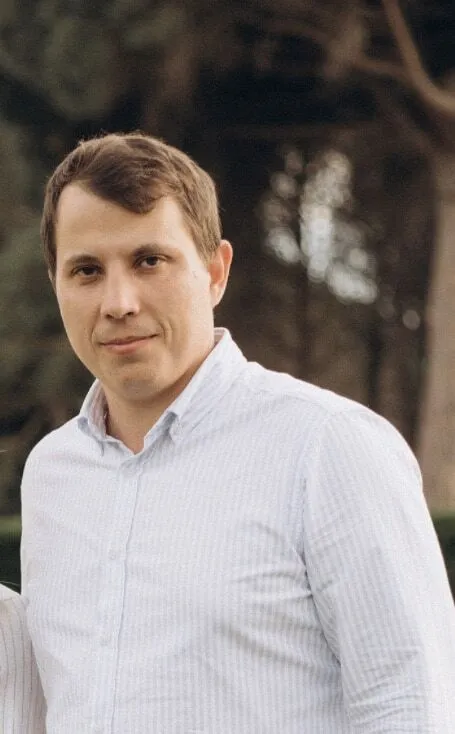
Anton Yarotsky of Taskfarm in Ukraine has been farming for over 7 years on a slightly larger farm than Howards at 5,000 hectares near the Great Steppe in Odessa. While Anton says this is an average-sized farm in Ukraine and seems to take everything in his stride, he has the additional challenges of extreme weather conditions, no EU subsidies or grants, and, of course, the ongoing war in Ukraine.
In spite of those hardships, the challenge he spoke of was the lack of a clear definition for regenerative agriculture. For Anton, this is more simply put as going “back to basics” much like the heritage farming that his grandparents and theirs before them have always done, growing potatoes and onions on the Great Steppe. Anton carries on his family's traditions but brings his own flavour to the land, constantly experimenting with new methods to reduce costs & improve the soil's resilience to extreme temperatures and constant wind.
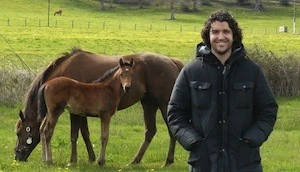
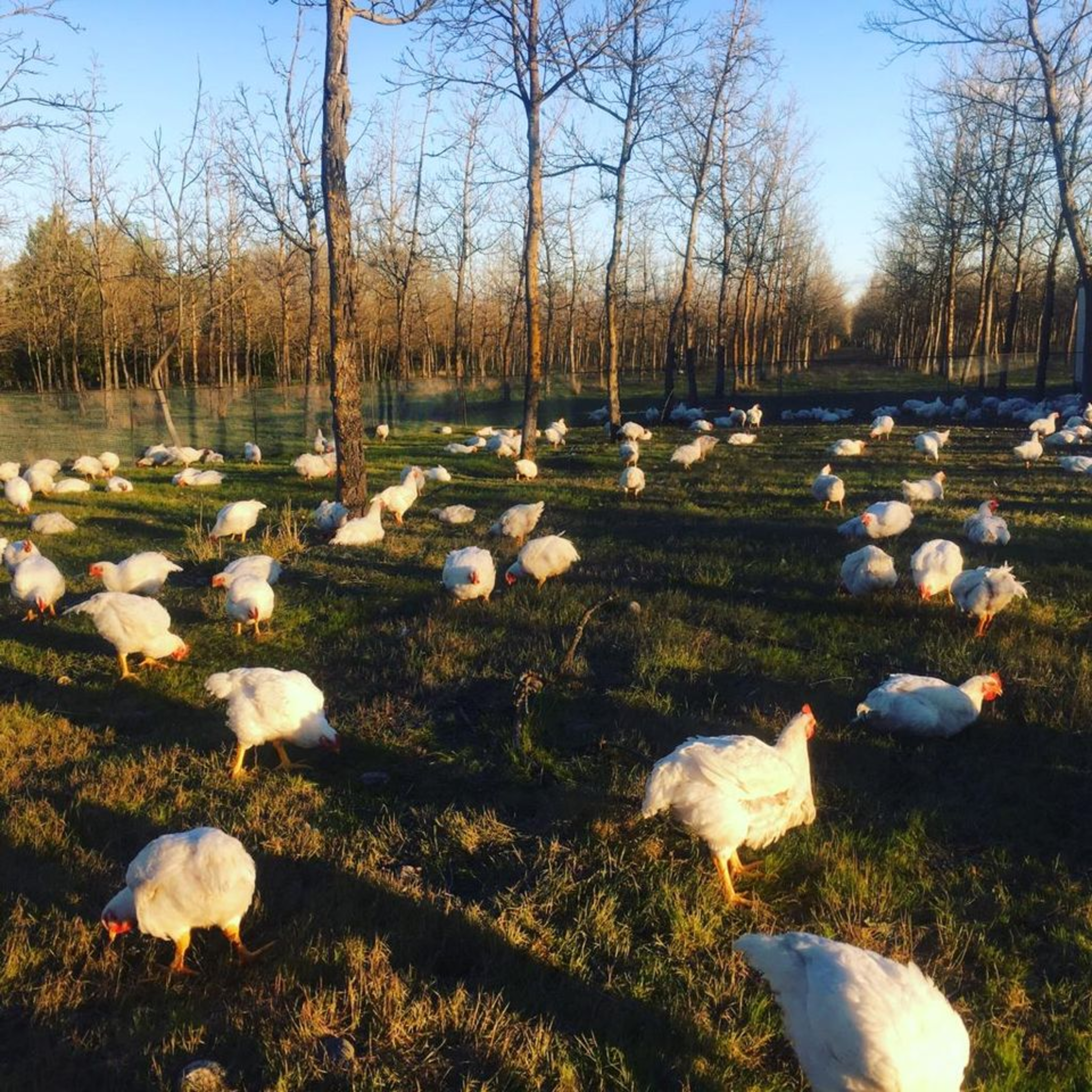
Finally, Jose Luis Garcia de Castro joined us slightly later due to some particularly free spirited chickens on his pasture poultry farm in Spain, Poultree. Jose also farms grass fed cattle and spoke of how EU compliance and administration does not understand the reality of farming on the ground. Current structures support intensive, industrial farming processes but not regenerative methods.
He gives the example that despite increasing demand for his regenerative meat in other EU countries such as Austria, the governments, veterinarians and lawyers are not equipped to fit regenerative, healthier farming practices into the rigid structures they’re forced to operate in. Another example is the nonsensical and frankly, paper pushing ignorance of bureaucrats telling him he cannot put chickens and cattle in the same pasture, despite Jose Luis’s years of experience and connection to his land and animals telling him that having them in the same pasture is what’s best for the land, animals and himself.
In any case, that’s enough of me telling you what happened. You’d be a lot better informed and encouraged by watching the lads themselves and hearing what they have to say. Please find the full recording below and our sincere thanks, once again, to Philippe, Anton, Howard and Jose Luis.
Recording: Voices from the Field
Other resources mention on the call:
FAIRR Report: The Four Labours of Regenerative Agriculture.
- 50/79 companies worth USD 3 trillion mention regenerative agriculture initiatives in their disclosures.
- Regenerative outcomes sought by companies are scattered with a preference for soil health and carbon.
- Only 36% (18/50) have quantified company-wide targets for regenerative agriculture.
- Just 16% (8/50) discuss metrics and data, with only four companies having established baselines to measure progress.
- Only 8% (4/50) have targets to financially support farmers to deploy regenerative practices.