
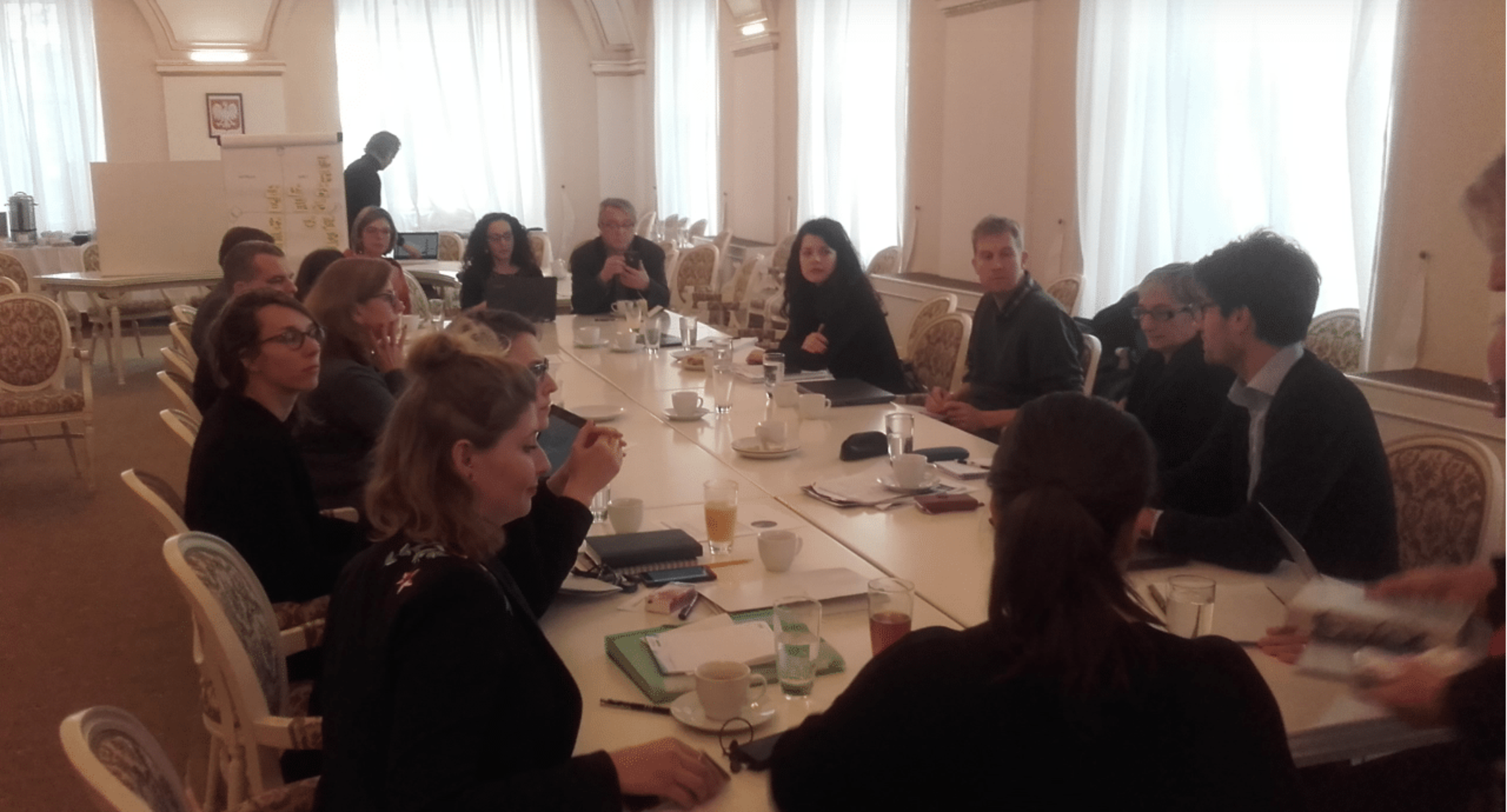
Why are organisations adopting co-production methods?
Is co-production more than just a buzzword? In this webinar, we explored how co-production can offer organisations a positive new way of engaging with citizens and partners that creates transformational change in local places and spaces. It does this by helping to overcome silos and collecting different types of knowledge to deepen understanding of a place and what is possible for the future. Co-production has been a central theme within the Connecting Nature project, not just as a concept but as a practice that has been adopted in our eleven cities.
5 Key Takeaways
1. Co- production focuses on doing work with others. Co-production is a form of governance approaches, aiming to give different stakeholders an equal seat at the table when creating solutions to urban challenges. It is design to be adaptive, reflexive and to creates concrete outputs; it mobilizes and empowers various actors to find solutions; it bursts open governmental silos.
2. There are six design principles for effective co-production: processes that are inclusive, open and legitimate; and outcomes that are actionable, empowering and aligning.
3. Internal and external co-production facilitates more bottom-up and inclusive action. In terms of planning and management of green areas, to make the process efficient it is necessary to facilitate good cooperation between the different units and institutions involved on a city level, and between different levels to mitigate hierarchies and silos. It is also crucial to improve efficiency by encouraging the participation of residents, identify potential funding and develop green standards for public institutions.
4. Complex problems need an integrated perspective to bring positive outcomes. Co-production and co-design as ways of working should accompany the project for its entire duration. Day by day exchanging push the cities to develop better places and to integrate different topics and expertise.
5. Four steps to effective co-production are: set your goals; structure your process; design activities; reflect.
Tools
There are a range of tools designed for co-production, but it is also worth thinking laterally about how different tools can be adapted to facilitate co-production processes. The Connecting Nature project has generated a range of guides and tools to help implement co-production:
- The practical guide on co-production for nature-based solutions
- The guidebook on governance for nature-based solutions
- The Effective Storytelling for Nature-based solutions
Other resource: Co-creation for policy (JRC)
Good Practices
EmPath is a not-for-profit social enterprise born within Connecting Nature project. It uses a range of people-centred co-production and engagement techniques to support sustainable community development and environmental protection.
The NBS Business Model Canvas is a great co-production tool to understand what the local communities want. It helps to set the conversation and understand what are the key activities, communitiy engagement, resources available, best partnerships, benefits and value from what will be implemented. The city of Glasgow used the adapted NBS Business Model Canvas with a local community group and found it useful in starting conversations and prompting creative suggestions.
A co-production approach enabled the city of Poznan Connecting Nature team to trial a new way of working that helped scale out the successful creation of natural gardens in 21 kindergartens in the city, working collaboratively with kindergarten directors and staff, the children the municipal department for education, the local police and the playground designer. The demonstrable success has led to adoption of co-production methods in other projects, building trust in this new way of working for the city.
Weg-gap: Co-production can offer positive ways of working for different kinds of projects, as demonstrated in the LIFE VEG-GAP project in which the city of Bologna is a partner. This science modelling project used co-production to bring different scientific disciplines, three city partners and other experts together to create an actionable tool to help city planning, and engaging local community of interest.