
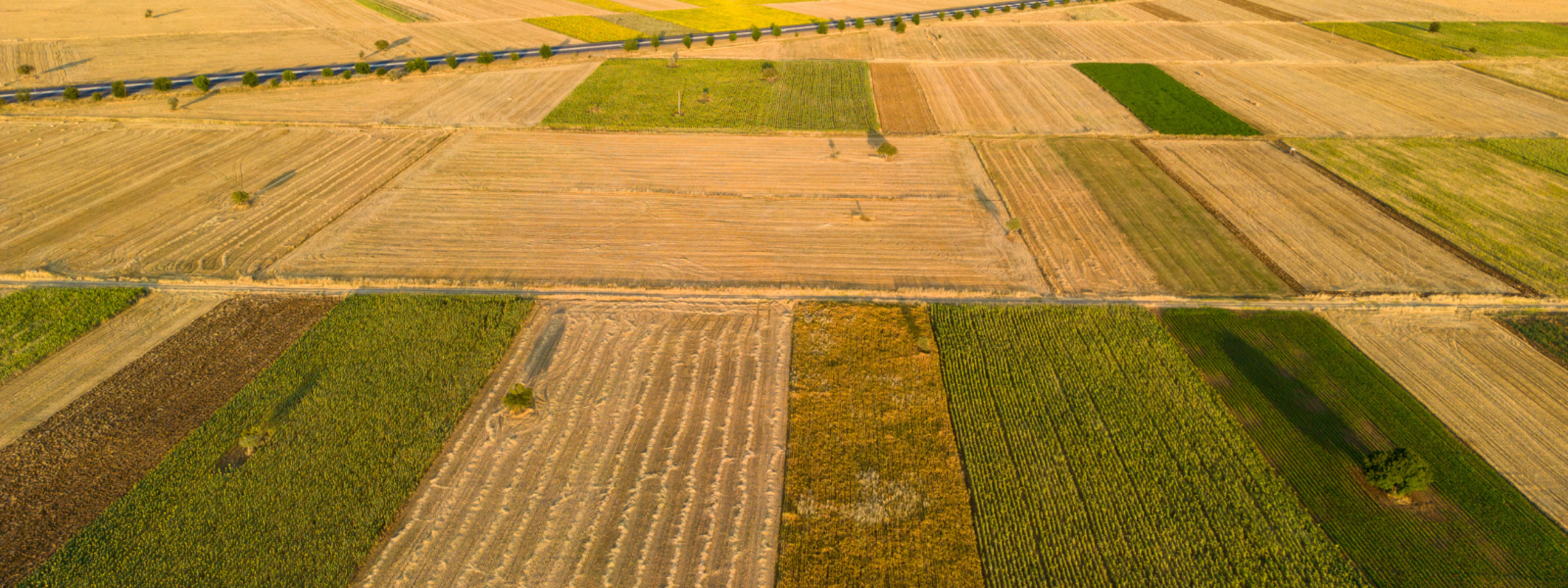
Including rewilding and ecological restoration in degree courses would benefit students, society and the planet - Paul Jepson
Our former guest speaker on Ecosystem Restoration, Paul Jepson of Credit Nature & Ecosulis, recently had an article published in The Times Higher Education.
This article is extremely relevant and timely for our EU funded NBS EduWORLD project as our parent company (Horizon Nua) begins work with Trinity College Dublin Centre for Social Innovation to deliver education strategies at higher level and vocational training to maximise the adoption of NBS approaches and behaviours in third level degree courses and CPD programmes.
The article emphasizes the urgency of fostering the rise of ecosystem engineering as a discipline. It suggests that ecosystem engineers, armed with comprehensive university degree programs and support from engineering companies, have the potential to drive audacious public infrastructure initiatives that address climate change, create new economic opportunities, and contribute to a more sustainable future for both societies and the planet.
"The Global Biodiversity Framework set a target to mobilise $200 billion (£158 billion) a year by 2030 to implement nature-based solutions and biodiversity protection. To facilitate the large-scale ecosystem recovery this calls for, we need to look beyond traditional conservation careers and equip students with the ability to plan, implement and manage ecosystem engineering projects. Civil engineering companies such as AECOM, Jacobs and Stantec are already pioneering in this domain. However, they and a raft of start-ups need a workforce that is trained specifically in ecosystem engineering."
We could not agree more!
This echoes CNEP member and speaker feedback in other areas of nature-based solutions from Regenerative Forestry (see recent webinar highlighting need for mid-career transition courses into forestry and particularly regenerative forestry), to Green Buildings, Water Management and everything in between.
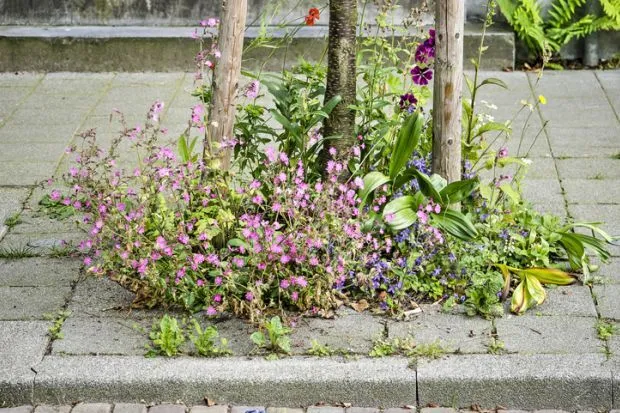
The 3 main points from Paul's article can be found below.
1. Shift from Biodiversity Protection to Ecosystem Recovery:
The article highlights a significant shift in international environmental policy from a defensive approach of biodiversity protection to a proactive agenda of ecosystem recovery. This transformation is driven by the growing understanding of the interconnectedness between climate change and biodiversity loss. The article emphasizes the need for a new type of engineer who specializes in restoring and managing ecosystems as infrastructure for the benefit of both human societies and the natural world.
2. Nature-Based Solutions and Ecosystem Engineering:
The article underscores the increasing importance of nature-based solutions as a form of engineering. These solutions involve designing and managing systems to achieve desired outcomes, such as carbon capture, wildfire risk reduction, and enhancing the resilience of both urban and rural landscapes. The author argues that to turn political commitments into actionable results, professionals with a specialized skill set are needed—specifically, ecosystem engineers. These professionals should possess knowledge in ecosystem science, restoration techniques, assessment and monitoring technologies, decision theory, nature markets, and project management.
3. Educational and Professional Opportunities in Ecosystem Engineering:
The article discusses the need for educational institutions to adapt and offer high-quality degree programs in ecosystem engineering. The proposed degree programs should integrate ecosystem science, systems engineering, and practical elements of civil engineering. The author cites examples of initiatives at institutions like Imperial College London and the University of Reading that are moving in this direction. Additionally, the article emphasizes that as the demand for large-scale ecosystem recovery increases, professionals trained in ecosystem engineering will play a crucial role in advancing projects that have significant societal and environmental impact.
Please share your thoughts in the comments or get in touch via the platform if you have further insights on this subject that you'd like to share.
The link to the original article is here.